Why Philadelphia Buildings Pose A Hidden Threat To Migrating Birds
Philadelphia sits squarely beneath the Atlantic Flyway, one of North America’s busiest migratory corridors, and each spring and fall millions of songbirds, raptors, and waterfowl move through the Delaware Valley on their way north or south. The city’s mix of historic low-rise rowhomes in South Philly, glassy condo towers along the Schuylkill in University City, and reflective storefronts in Center City creates exactly the kind of collision hazard the U.S. Fish and Wildlife Service warns about — birds simply do not see clear or reflective glass and instead perceive reflections of sky and trees as open airspace. Up to one billion birds die each year in the United States alone from window collisions, and most of those strikes happen at homes and low-rise buildings shorter than four stories, not at skyscrapers.
For property owners weighing whether to add the bird strike window film philadelphia homes and businesses can benefit from, the encouraging news is that the threat is visible, measurable, and addressable without replacing a single pane. Specialized patterned films make glass obvious to avian vision while staying nearly invisible to the human eye, letting a Fishtown rowhouse or a Manayunk storefront keep its daylight and views intact.
How Bird Strike Window Film Actually Works
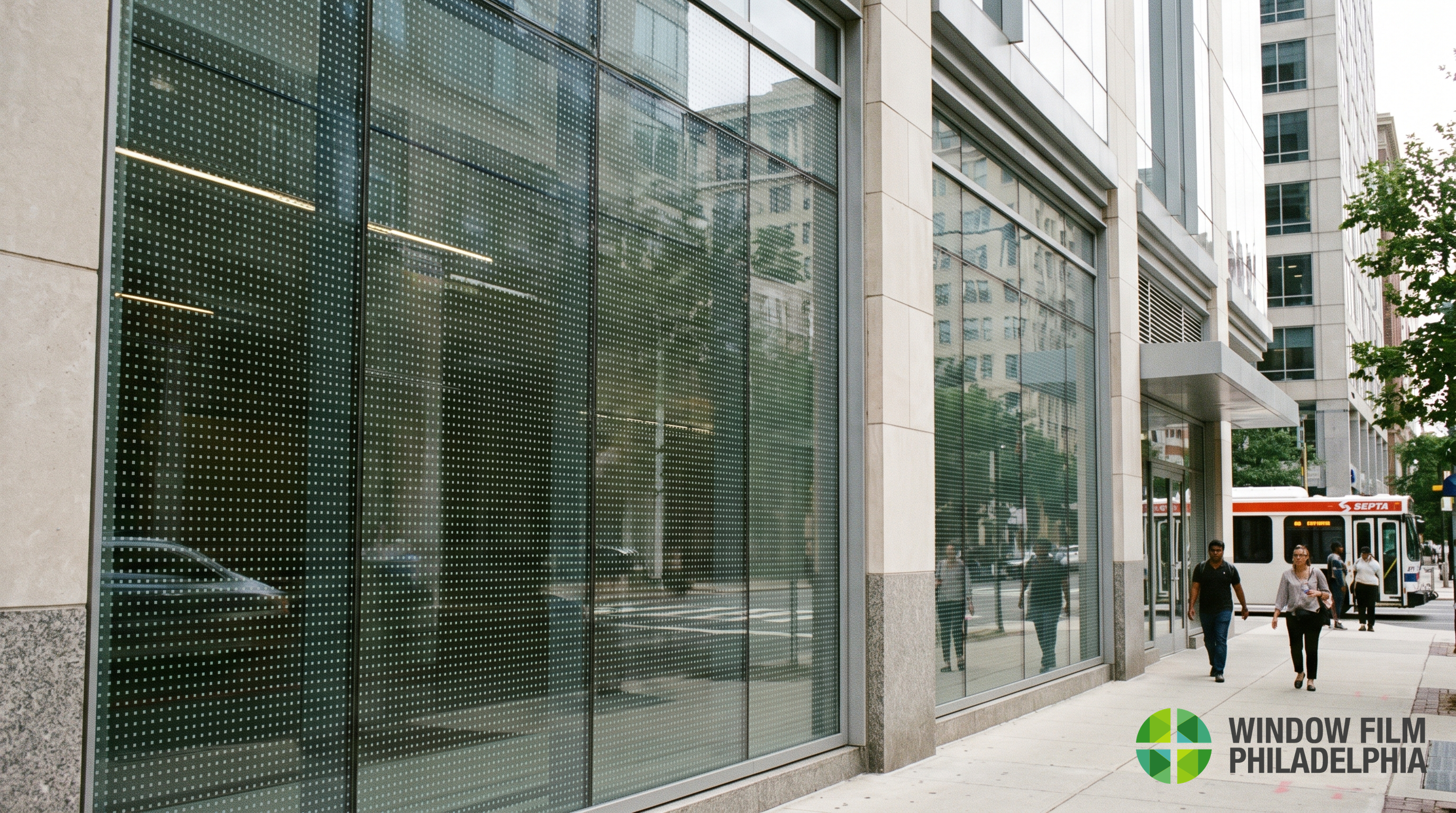
Birds see ultraviolet light that humans cannot, and many premium bird strike prevention films exploit this difference by printing ultraviolet-reflective dot or line patterns onto an optically clear polyester substrate. To a passing warbler the glazing suddenly reads as a solid surface full of visual noise, while from inside the room the film looks like a faint tint at worst. The pattern spacing follows guidelines tested against real-world strike data — typically a 5-centimeter (two-inch) grid or closer — so birds cannot fly between the markers the way they might with widely spaced decals.
Key performance characteristics worth knowing before you choose a film:
- Ultraviolet reflectivity — reflects UV light within the 300 to 400 nanometer range that birds rely on for navigation and mate selection, making the film highly visible to species like hummingbirds, raptors, and passerines while staying clear to the human eye.
- Optical clarity — visible light transmission stays above 70% on most bird-safe films, so interiors keep their daylight and the film does not darken rooms the way heavy solar tint does.
- Durability — a 4.0 mil polyester construction stands up to Philadelphia’s freeze-thaw winters and humid summers, with an expected service life of 10 years or more on interior applications.
- Low reflectivity — unlike mirrored privacy film, bird strike films are designed to minimize exterior reflections, which is exactly the effect that tricks birds into striking in the first place.
Because the film targets the root cause — glass that reads as open sky — it works day and night, unlike decals that only catch light from certain angles and lose effectiveness as the sun moves. A properly installed pattern stays visible to birds across every lighting condition the Delaware Valley throws at it.
Where Bird Strike Film Makes The Biggest Difference
Not every window carries the same collision risk, and a site assessment should drive where film goes first. The highest-strike surfaces tend to be large reflective panes near vegetation or water, glass that lines a corridor, and corner fly-through configurations where birds see habitat on the other side of the building.
In a Philadelphia context, the spots that most often need treatment include:
- Glass storefronts along commercial corridors like Frankford Avenue in Fishtown or Main Street in Manayunk, where reflective merchandising glass faces street trees and sidewalk plantings.
- Condo towers and atriums in University City and along the Schuylkill, especially units above the tree canopy where nocturnal migrants fly during migration season.
- Historic rowhomes with new picture windows added during renovations, which often sit directly across from mature shade trees in Fairmount or Germantown.
- Museums, libraries, and transit facilities with glass walkways — the city’s mass transit hubs and cultural buildings are frequent collision sites given their large glazed facades.
- Residential sunrooms and bay windows in Chestnut Hill and East Falls that face bird-heavy backyards and feeders.
Installing film on the problem panes first, then expanding outward as budget allows, lets owners spend where the strikes actually happen rather than treating every window blindly.
What To Expect During A Professional Installation
Bird strike film is unforgiving of poor installation — a misaligned pattern or a trapped dust speck is visible from across the room and defeats the product’s near-invisible selling point. A trained installer cleans each pane, applies the film wet on the interior (or exterior for certain UV products), squeegees out moisture, and trims to the glazing edge. Most residential jobs in a Philadelphia home or condo finish in a single afternoon, while commercial storefronts may take a full day depending on glass area and accessibility.
The film bonds fully within about 30 days, during which you may see a slight haze that clears as the adhesive cures. Once cured, the surface wipes clean with mild soap and water and behaves like any other tinted glass — no special maintenance, no reapplication of patterns, and no impact on window operation or hardware.
A brief note on the comparison that comes up most often: bird strike film is patterned and optimized for visibility, not impact resistance. If your goal is also forced-entry delay, ask about layering a clear security film beneath the bird pattern so you get both avian deterrence and the intrusion-delay benefits covered on our safety and security page. The two products serve different problems and can coexist on the same pane.
Protect Philadelphia’s Birdlife And Your Building With Specialized Window Film
Every pane treated is one fewer reflective trap for the warblers, thrushes, and hummingbirds that pass through the Delaware Valley each season — and a measurably lower repair bill from the cracked glass those strikes leave behind. Whether you manage a glass storefront on South Street, a condo tower over the Schuylkill, or a historic home backing onto Fairmount Park, choosing the right bird strike window film philadelphia properties rely on means matching film type, pattern density, and coverage area to the actual strike risk on your glazing.
Our team evaluates your building’s orientation, surrounding habitat, and glazing type, then recommends the film that keeps birds off the glass and keeps your daylight intact. Contact us to schedule a Philadelphia bird strike window film consultation and get a written estimate for your property.